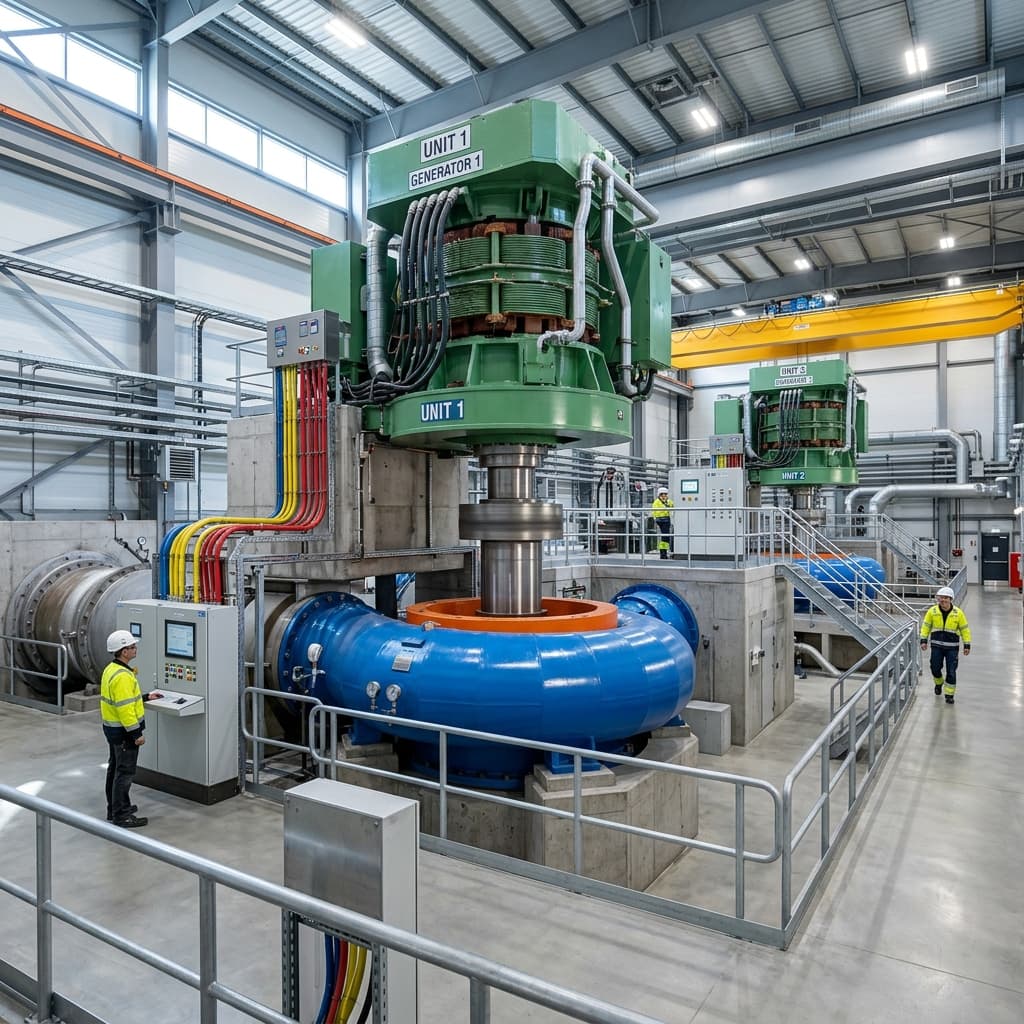
The Future of Dam Construction: Sustainable Water Engineering Practices
Explore how top water engineering consultants are integrating sustainable practices in dam construction to ensure long-term environmental balance.
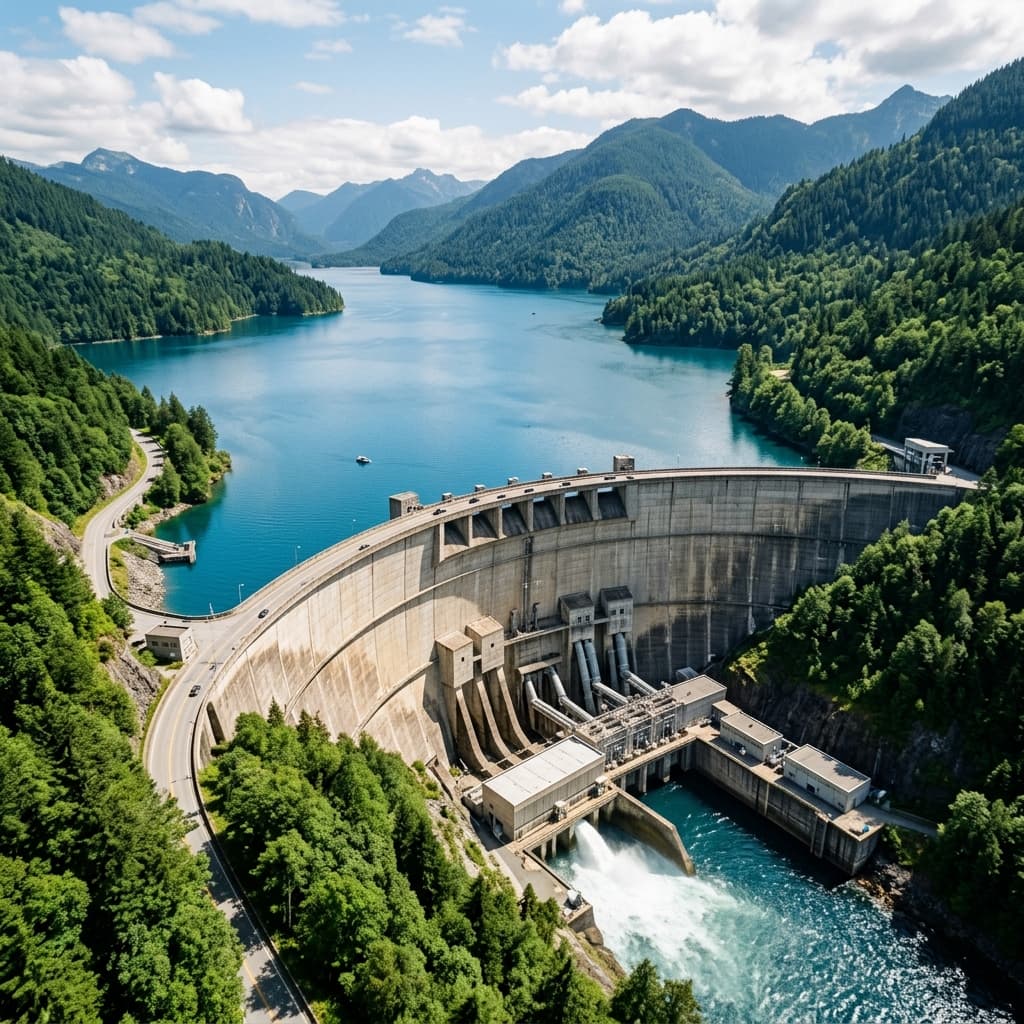
As the demand for renewable energy and reliable water supply grows, so does the critical need for sustainable dam construction. Traditional methods often disrupt local ecosystems, prompting leading water engineering consultants to rethink infrastructure design from the ground up.
In recent years, the engineering community has recognized that building large-scale water infrastructure must not come at the expense of local biodiversity. The push towards green engineering isn't merely a regulatory hurdle; it's a fundamental shift in how we approach structural design and environmental stewardship.
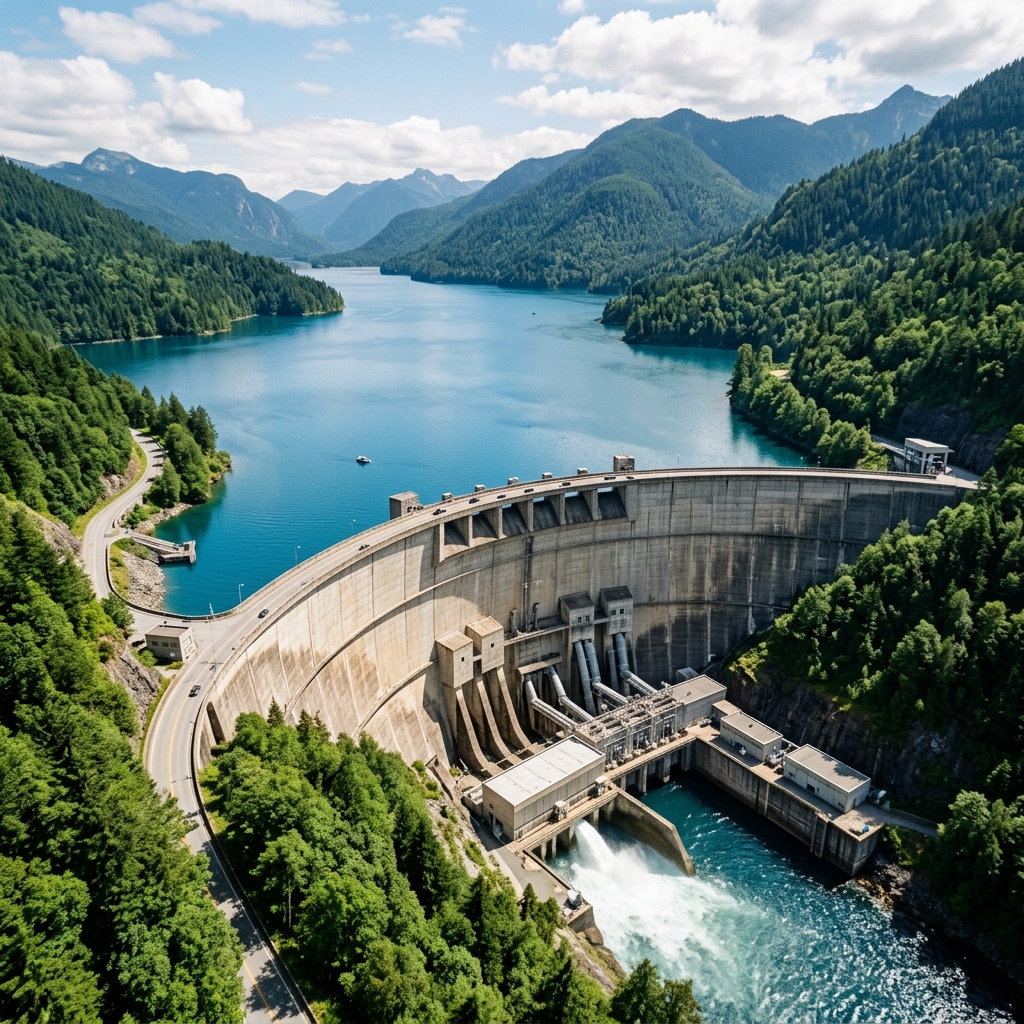
Minimizing Ecological Impact
Modern engineering now heavily relies on advanced environmental impact assessments (EIA). These comprehensive assessments ensure that natural habitats are preserved as much as physically possible during the intensive construction phases. A key strategy involves designing effective fish ladders and bypass channels. These vital additions allow aquatic life to migrate uninterrupted despite the presence of massive concrete structures, effectively maintaining the ecological balance of the river system.
Furthermore, temporary diversion channels are meticulously planned to prevent sudden changes in water turbidity, which can be fatal to endemic fish species. Engineers collaborate closely with marine biologists to schedule construction activities during non-spawning seasons.
Leveraging Advanced Technologies
The integration of 3D modeling and hydrodynamic simulations has completely revolutionized the planning phase of dam construction. By accurately predicting water flow patterns, peak flood scenarios, and sediment transport dynamics, consultants can optimize the dam's geometry. This optimization not only increases safety but also significantly reduces the volume of concrete required—subsequently lowering the overall carbon footprint of the project.
In the pursuit of a greener future, PT. WECON continues to lead by example. We combine decades of hands-on expertise with cutting-edge sustainable practices in every infrastructure project we undertake, ensuring that our structures serve humanity without compromising the earth.
You also might like
Panduan Lengkap Perijinan Pengalihan Air Sungai di Indonesia
The Importance of Effective Construction Supervision in Infrastructure